
 EN
EN

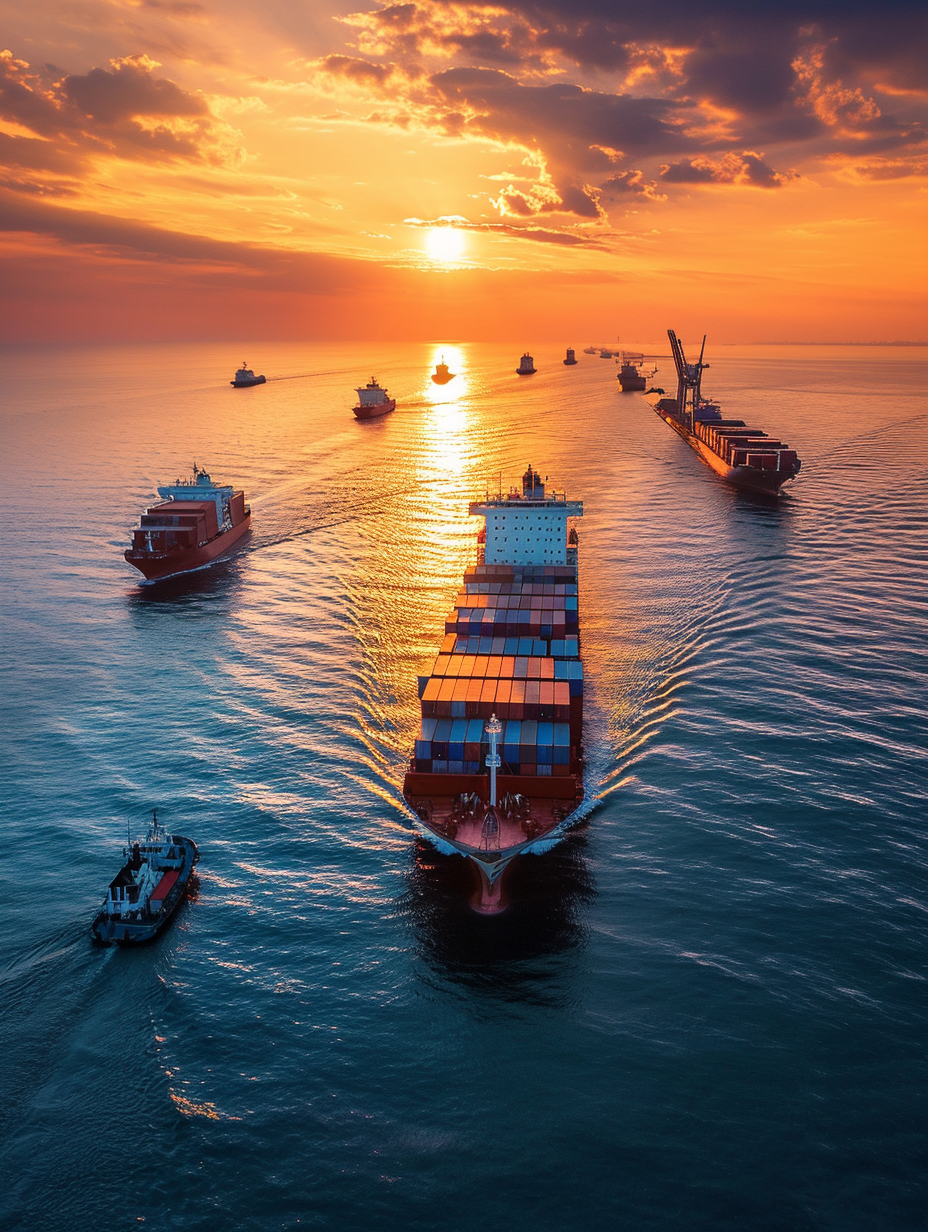
What Is Multimodal Transport and How Does It Work in Global Logistics?
Definition and Core Mechanism: One Contract, Multiple Modes
When talking about multimodal transport, we're basically looking at combining ocean, rail, road, and even air freight all under one contract handled by what's called a Multimodal Transport Operator or MTO for short. This is different from regular intermodal shipping where companies have to deal with multiple contracts for each part of the journey. With multimodal transport, everything falls under one responsibility umbrella. Let's say some goods arrive at a port by ship, then get loaded onto trains for the trip inland, and finally reach their destination by truck. All these steps happen smoothly because they're all covered by just one bill of lading document. What makes this system work so well is that the MTO handles all the planning for routes, manages costs effectively, and keeps things running on schedule across different transportation methods.
Key Infrastructure Enablers: Intermodal Terminals, Digital Platforms, and Harmonized Regulations
Three interdependent enablers power efficient multimodal operations:
- Intermodal terminals, equipped with cranes and standardized container-handling systems, enable swift transfers between ships, trains, and trucks.
- Digital platforms deliver real-time tracking, automated documentation, and AI-driven predictive analytics to anticipate and avoid delays.
- Harmonized regulations, such as the United Nations Convention on International Multimodal Transport of Goods, reduce cross-border administrative friction. A 2023 study found digitized customs clearance accelerated transit times by 40%, underscoring how regulatory alignment and technology jointly strengthen supply chain resilience.
Top 3 Drivers of Multimodal Transport Adoption in International Trade
Cost Efficiency Through Intelligent Mode Optimization
Using multimodal transport cuts down on logistics expenses because it matches what kind of cargo we're dealing with — volume, how urgent it is, and how far it needs to go — with the best possible transportation method for each part of the journey. Smart systems tend to favor ocean shipping for those long trips across continents while relying more on trains for getting things around inside countries, which saves about a quarter to almost half the fuel compared to sticking with just one type of transport. Companies are seeing their operating costs drop somewhere between 18% and 32%, particularly noticeable when they switch from flying stuff all over the place to combining sea and rail options for shipments that aren't time sensitive. This makes a real difference in profit margins, especially in today's tough international business environment where every penny counts.
Enhanced Reliability and End-to-End Accountability
When companies use a single contract for their transportation needs, they basically put all the responsibility under one roof throughout every stage of shipping. With digital tracking systems now integrated into most operations, shippers can see exactly where containers are at any given moment from start to finish. According to some recent research from 2023 in the supply chain field, this kind of visibility cuts down on paperwork mistakes by around 70%. The ability to track shipments so clearly means businesses can react fast when things go wrong, like when bad weather causes unexpected delays. Plus, automated notifications make sure everyone involved stays updated on what's happening. Looking at actual results, we've seen cargo losses decrease by about 60% in many cases, while deliveries arriving on schedule have become much more consistent than before.
Resilience Against Disruptions (Port Congestion, Geopolitical Shifts, Carrier Shortages)
Supply chain networks that incorporate multiple transportation modes naturally offer greater flexibility. When ports get backed up, logistics teams switch to rail lines or barges instead. And when there aren't enough carriers available, companies working with vetted intermodal partners can tap into their spare capacity reserves. Looking at what happened during the pandemic shows how effective this approach can be - delays were cut down by around 45% compared to single mode operations. For situations where political issues disrupt normal shipping routes, like when canals close unexpectedly, these systems already have contingency plans in place. They might reroute goods via land bridges or find alternative entry points at sea, which helps maintain regular deliveries even when things get chaotic.
Sustainability and Speed: How Multimodal Transport Supports ESG Goals and Faster Cross-Border Delivery
Lower Carbon Footprint vs. Unimodal Air or Road-Only Freight
When companies focus more on trains and ships for those long distance moves instead of relying so much on polluting roads or planes, their overall supply chain carbon footprint drops quite a bit. Let's look at numbers: railroads produce around three quarters less CO2 per ton mile compared to big rigs on highways. And shipping containers across oceans create about 95 percent fewer emissions than flying goods between continents. Businesses that switch to these mixed transportation methods typically see anywhere from 30 to 40 percent reduction in emissions related to moving stuff around. This helps them meet their environmental goals while still keeping operations running smoothly and maintaining good customer service standards.
Digital Tools Accelerating Transit Predictability and Border Clearance
Logistics platforms in the cloud really boost how well different transport modes work together when they track containers in real time and use artificial intelligence to predict what might happen next. With these kinds of tools, companies can see ahead of time when ports get backed up, storms are coming, or carriers hit snags somewhere along the route. This lets them change plans before things go wrong and keep deliveries on schedule most of the time. When it comes to customs paperwork, automating this process means sending manifests and paying duties electronically instead of waiting around at borders. Studies show this cuts down on waiting times quite a bit, maybe around half depending on where exactly the goods are going. Shippers end up getting their stuff across borders much quicker than before, plus they have detailed updates every single hour about where their shipments actually are throughout the journey.
Real-World Impact: Multimodal Transport Success in Key Trade Corridors
Using multiple transportation modes together actually makes a real difference on key trade routes because it streamlines how different transport methods connect and removes bottlenecks where everything depends on one point. Take the route between Asia and Europe for instance. When companies combine ocean freight with train services across continents, they're saving around 15 to 20 days in transit time and knocking about 30 percent off what it would cost if they relied solely on ships. Over in North America, combining rail and truck transport lets businesses avoid backed up ports, which means deliveries get there on time much more often. During busy periods, this approach boosts reliability ratings by roughly 40%, something that matters a lot when supply chains are already stretched thin.
For landlocked regions like Central Asia, coordinated rail-road connections provide access to maritime gateways — cutting import lead times by 22% and expanding export market reach. These outcomes confirm multimodal transport's dual role as both a cost-control lever and a strategic resilience tool in today's volatile global trade environment.
FAQ
What is the role of a Multimodal Transport Operator (MTO)?
An MTO manages all logistical aspects under one contract, optimizing routes, managing costs, and ensuring timely delivery across various transport modes.
How does multimodal transport improve cost efficiency?
It matches the best transport mode for each leg of the journey, optimizing expenses by reducing fuel costs and coordinating shipments.
What are the environmental benefits of multimodal transport?
Multimodal transport reduces the carbon footprint compared to road-only or air freight by utilizing trains and ships which emit significantly less CO2.
How does multimodal transport enhance reliability?
Integrated tracking and single responsibility for shipments minimize errors and delays, providing end-to-end visibility and accountability.
Table of Contents
- What Is Multimodal Transport and How Does It Work in Global Logistics?
- Top 3 Drivers of Multimodal Transport Adoption in International Trade
- Sustainability and Speed: How Multimodal Transport Supports ESG Goals and Faster Cross-Border Delivery
- Real-World Impact: Multimodal Transport Success in Key Trade Corridors
- FAQ