
 EN
EN

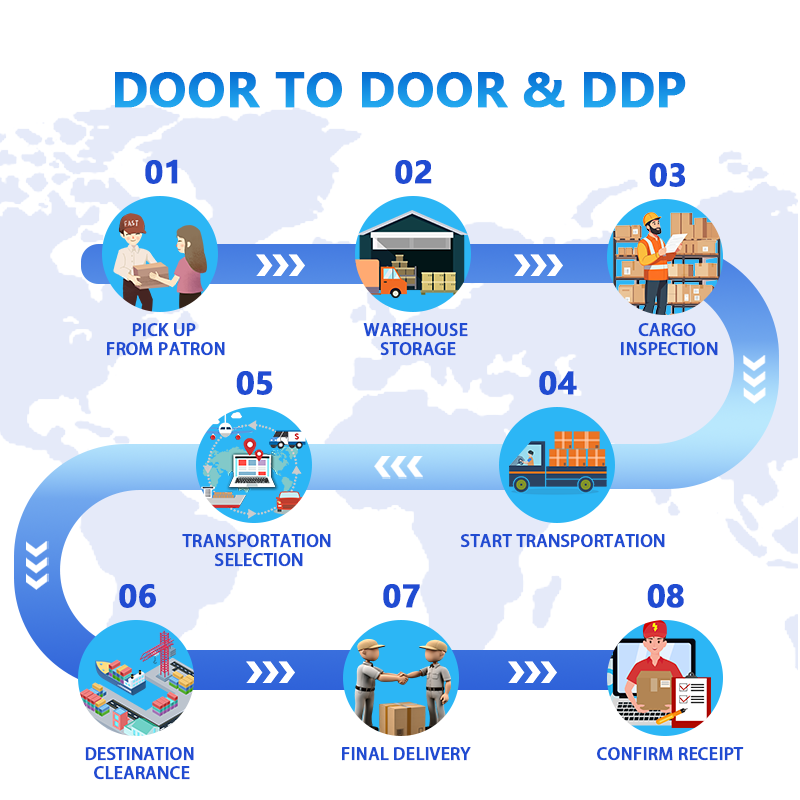
What Is DDP Shipping and Who Is Responsible for What?
Understanding the DDP Incoterm Definition and Core Responsibilities
DDP stands for Delivered Duty Paid and it's one of those rules outlined in Incoterms® 2020. When companies use DDP terms, the seller takes complete charge of getting products to a specific location within the buyer's country. That includes everything from shipping costs to clearing customs, paying any applicable duties and taxes, plus handling whatever risks come along during transport. Compare this to EXW or DAP arrangements where buyers typically deal with importing themselves. With DDP, all the logistics and money matters stay with the seller right up until they actually hand over the goods at their final stop. While this makes life much easier for purchasing departments, it does place significant demands on sellers who need to understand and follow complex international trade laws across different countries.
Seller's Obligations in DDP: Full Liability Until Final Delivery
Under DDP, sellers must:
- Arrange and pay for end-to-end transport across air, sea, or land
- Procure cargo insurance covering loss or damage during transit
- Prepare and submit export and import documentation, such as commercial invoices, packing lists, and certificates of origin
- Pay all import duties, VAT/GST, customs processing fees, and terminal handling charges
A key pitfall occurs when sellers overlook terminal delivery costs—these accounted for 23% of DDP-related disputes in 2023. Sellers remain liable for delays due to customs inspections or paperwork errors until the buyer physically receives the shipment.
Buyer's Role in DDP: Unloading and Final Acceptance at Destination
Buyers are responsible only upon arrival at the agreed destination:
- Safely unloading goods from the transport vehicle
- Inspecting quantities and quality per the sales contract
- Reporting discrepancies within 24 hours, as recommended by ICC guidelines
Failure to inspect promptly voids claim rights in 67% of jurisdictions. However, buyers retain legal recourse if misdeclaration by the seller leads to customs issues or penalties.
Does DDP Include Customs Clearance? Seller’s Role Explained
Customs Clearance Under DDP: Fully Managed by the Seller
Yes, DDP includes complete customs clearance managed by the seller. This encompasses preparing documentation, assigning accurate Harmonized System (HS) codes, coordinating with brokers, and ensuring regulatory compliance. According to a 2024 Logistics Compliance Study, incorrect tariff classifications cause 89% of DDP disputes, underscoring the need for precision and expertise.
Step-by-Step Customs Process in DDP Shipments
The seller is responsible for:
- Submitting required documents (commercial invoice, packing list, COO)
- Prepaying all applicable duties, VAT/GST, and regulatory fees
- Responding to inspection requests or customs holds
- Providing real-time updates to the buyer on clearance status
Approximately 23% of DDP shipments face delays due to missing permits or restricted item declarations (Ponemon 2023), making it essential for sellers to maintain current knowledge of destination-country import rules.
Import Duties and Taxes: Covered by Seller in DDP Agreements
With DDP, sellers prepay all import-related costs, eliminating surprise fees for buyers. These typically include:
| Cost Type | Average % of Shipment Value |
|---|---|
| Import Duties | 5–25% |
| VAT/GST | 7–27% |
| Customs Processing Fees | 1–3% |
These expenses are usually built into product pricing, which is why DDP shipments often cost 15–30% more upfront than DAP or EXW terms. While this deters some B2B exporters, it enhances customer trust in B2C e-commerce.
Risks Sellers Face with Foreign Customs Authorities Under DDP
Sellers carry full liability for customs errors, including undervaluation, misclassification, or late payments. In 2023, 42% of DDP suppliers experienced financial losses from seized goods, and 28% incurred penalties for delayed duty settlements. Mitigation strategies include hiring local customs experts and securing trade credit insurance to protect against non-payment or regulatory fines.
By centralizing customs management, DDP streamlines international purchases for buyers but requires meticulous planning and risk management from sellers—making it popular in direct-to-consumer ecommerce yet less common in high-volume industrial trade.
Terminal and Final Delivery in DDP: Scope of Seller’s Liability
Terminal Handling and Unloading Responsibilities Under DDP
Sellers are fully responsible for managing terminal operations at the destination port, including cargo offloading, storage coordination, and transfer logistics. A 2022 maritime dispute analysis revealed that 63% of DDP conflicts originated from inadequate documentation during terminal handling, resulting in extended cargo holds and penalty accrual.
Who Pays for Terminal Fees and Last-Mile Delivery Costs?
All terminal and final-mile costs fall to the seller under DDP. The breakdown is clear:
| Cost Category | Seller Responsibility | Buyer Responsibility |
|---|---|---|
| Port handling fees | Yes | No |
| Customs storage charges | Yes | No |
| Final truck delivery | Yes | No |
Accurate declaration of weight and volume is critical—underestimations frequently lead to 15–20% cost overruns in terminal operations due to rehandling or demurrage.
Case Study: DDP Shipment Failure Due to Terminal Miscommunication
A European machinery company faced serious losses in 2023 when they shipped equipment to Brazil under DDP terms, only to lose around $42k because their freight forwarder didn't follow the local port's strict pallet requirements. The goods sat at the terminal for nearly two weeks while everything had to be repacked, costing them about $380 each day in storage fees. What makes this story relevant? Logistics experts surveyed recently said that almost 8 out of 10 recommend having backup checks in place before sending DDP loads into tricky international markets like Brazil where regulations can be so unpredictable.
How DDP Compares to DAP, CIF, and EXW in Global Logistics
Key Differences Between DDP and Other Common Incoterms
The DDP model really changes things because it puts full control and accountability of the entire supply chain in the seller's hands. On the flip side, when using EXW terms, almost everything falls under the buyer's plate starting from picking up goods right down to handling customs paperwork. With DAP agreements, once products reach their destination point, buyers take over both cost and risk related to customs clearance. But DDP goes further than this arrangement since it handles all those expenses itself. Looking at how CIF works compared to DDP shows another key difference too. While CIF stops delivering responsibilities once cargo reaches an origin port somewhere overseas, DDP actually continues protection until items make it into customers' hands for final delivery locally.
| Incoterm | Customs Responsibility | Risk Transfer Point | Terminal Fees Covered? |
|---|---|---|---|
| DDP | Seller | Final Destination | Yes |
| DAP | Buyer | Destination Port | Partial |
| CIF | Buyer | Origin Port | No |
| EXW | Buyer | Seller’s Warehouse | No |
Based on Incoterms® 2020 rules from the International Chamber of Commerce
When to Choose DDP for Cross-Border E-Commerce Success
Brands with monthly export volumes exceeding $50,000 can reduce compliance costs by 19% using DDP, thanks to consolidated shipping and tax payments (Ponemon 2023). The model aligns well with consumer expectations: 92% of online shoppers expect transparent, duty-inclusive pricing (Digital Commerce 360). To succeed, sellers should:
- Partner with experienced, vetted freight forwarders
- Use real-time duty calculation tools
- Establish bonded warehousing in key markets
Why Some Sellers Avoid DDP Despite Its Customer-Friendly Appeal
Despite reducing cart abandonment by 37% in global e-commerce (Statista 2024), many sellers hesitate due to three primary risks:
- Customs delays, averaging 14 days in 18% of shipments (Flexport 2023)
- Variable duty rates—up to 27% differences across EU countries
- Last-mile failures that keep liability on the seller
As a result, manufacturers often restrict DDP to regions with reliable customs brokers or adopt hybrid DAP/DDP models in stable, high-volume trade corridors.
FAQ
What is DDP shipping?
DDP stands for Delivered Duty Paid. It is an Incoterm where the seller assumes responsibility for all costs and risks associated with delivering goods to a specified location in the buyer's country, including customs clearance and payment of duties and taxes.
What are the key responsibilities of the seller under DDP?
The seller is responsible for arranging and paying for transport, procuring cargo insurance, preparing necessary documentation, and clearing customs, including payment of import duties, VAT/GST, and other fees.
What is the buyer's responsibility in DDP transactions?
The buyer's responsibilities include safely unloading goods upon arrival, inspecting the products, and reporting any discrepancies immediately.
Does DDP include customs clearance?
Yes, DDP includes complete customs clearance managed by the seller, which involves handling all documentation, tariffs, and coordination required for import compliance.
Why do some sellers avoid using DDP?
Sellers may avoid DDP due to risks like customs delays, variable duty rates, and liability for last-mile delivery issues. These risks can lead to financial losses and operational complications.