
 EN
EN

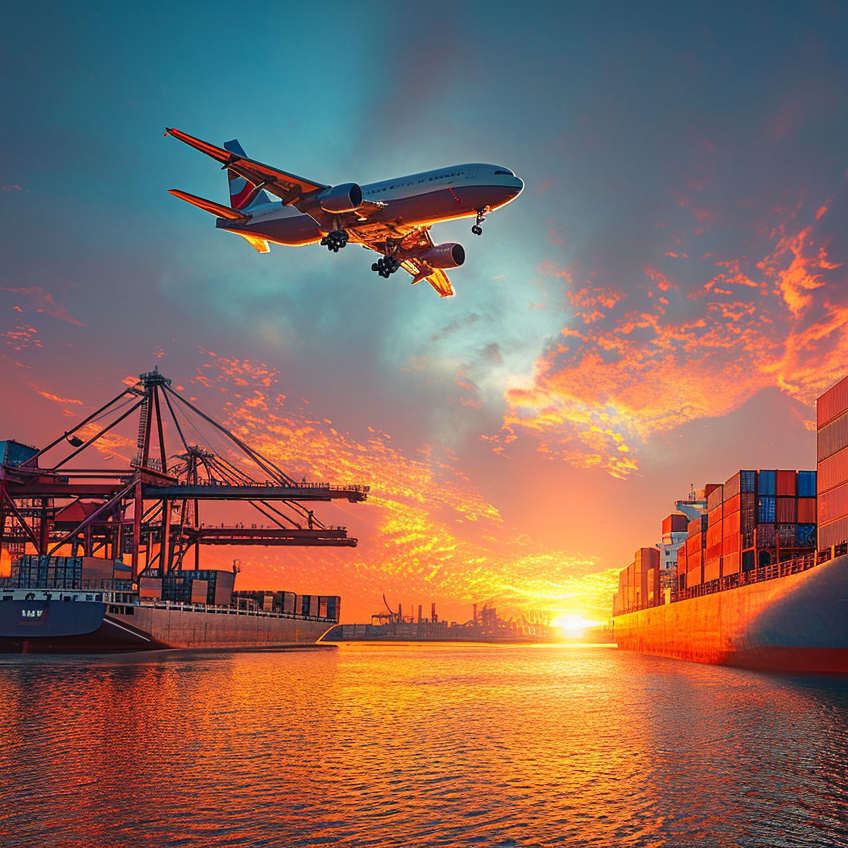
FBA Air vs. Sea Freight: Speed, Cost, and Suitability in Cross-Border Logistics
Core Differences Between Air and Sea Freight in Amazon FBA Supply Chains
When speed matters most for those FBA shipments, air freight becomes the go-to option despite the price tag. These flights typically get things there within 1 to 7 days, but let's be honest - we're talking about 3 to 5 times what sea freight would cost for the same amount of space (according to AMZ Tracker 2023). Sea shipping tells a different story altogether. From China to those big Amazon warehouses in the US, it takes around 30 to 40 days, but saves businesses between $1.50 and $3 per kilogram. That makes sense for bulkier orders that don't need immediate attention. Think about it this way: air transport works wonders for small packages with big profit margins like smartphones and gadgets, whereas sea freight handles all those heavy duty items such as couches and office chairs much better. The extra wait time just disappears when looking at the bottom line savings on both shipping and storage expenses.
Transit Time Comparison: Air vs. Sea from China to U.S. Amazon Warehouses
| Metric | Air Freight | Sea Freight |
|---|---|---|
| Port-to-FBA Days | 7-10 | 35-45 |
| Customs Clearance | 24-48 hours | 3-7 days |
| Peak Season Delay | +2 days | +14 days |
According to the 2024 Logistics Benchmark Report, 12% of air shipments miss restock deadlines due to ISF filing errors, compared to 34% of sea shipments delayed by port congestion. This highlights how operational precision impacts air’s speed advantage and sea’s vulnerability to systemic bottlenecks.
When to Use Air or Sea: A Strategic Framework for FBA Sellers
-
Choose air freight for:
- Product launches requiring rapid stock deployment
- Items with >40% profit margins
- Emergencies like recalled inventory replacement
-
Opt for sea freight when:
- COGS exceeds $15/unit
- Sales velocity is stable (±20% monthly)
- Warehousing costs are below $0.50/sq ft/month
Sellers using hybrid strategies reduce stockouts by 27% while maintaining profitability, balancing urgency with economic efficiency.
Cost Analysis of FBA International Shipping: Balancing Budget and Efficiency
Key Cost Drivers: Weight, Volume, Origin, and Final Mile Delivery
When it comes to FBA shipping expenses, there are several main things that affect what sellers end up paying. First off, we look at product weight differences between dimensional weight calculations and actual physical weight. Then there's the matter of shipment volumes whether it's full container load or less than container load arrangements. Don't forget about those origin country tariffs either, plus all those extra charges for getting packages from distribution centers to customers doorsteps. According to the latest Logistics Cost Benchmark numbers from 2024, air freight typically runs around six dollars per unit while sea shipping clocks in at about fifty cents per unit for lighter goods. But watch out folks these savings can disappear pretty fast because of those sneaky storage fees that eat away roughly a quarter of any potential savings from ocean transport in the long run.
| Cost Factor | Air Freight (per kg) | Sea Freight (per m³) |
|---|---|---|
| Base Transportation | $4.20 | $0.18 |
| Customs Clearance | $0.30 | $0.30 |
| Final Mile to FBA Center | $1.50 | $1.90 |
While base rates favor sea, final-mile expenses and space utilization must be factored into total landed cost calculations.
3PL vs. Amazon Global Logistics (AGL): Cost Comparison for Mid-Sized FBA Brands
For mid sized sellers shipping between 10 and 20 pallets each month, Amazon Global Logistics charges around 19 percent more than what specialized third party logistics companies typically ask. While AGL does make paperwork easier to handle, the price difference becomes even bigger when looking at less common shipping paths. Take the route from China to Brazil for instance. Here, those independent logistics firms can cut import duties by as much as 14 percentage points because they work directly with local partners. That gives them a real edge in both saving money and staying compliant with all those complicated international regulations that keep changing.
Strategies to Reduce FBA Logistics Spend: Consolidation and Route Optimization
Top-performing brands cut delivery costs by 22% through shipment consolidation and AI-driven route optimization (2023 logistics optimization study). Consolidating loads improves container fill rates by 40%, while cross-docking at strategic hubs like Los Angeles or Shenzhen aligns inbound flows with Amazon’s fulfillment network capacity, reducing dwell times and final-mile expenses.
Customs, Compliance, and Risk Management in FBA Cross-Border Shipments
Common Compliance Challenges: ISF Filings, HTS Code Errors, and Duty Delays
Most FBA sellers run into trouble with three main compliance issues all the time: incomplete Importer Security Filings (ISF), wrong Harmonized Tariff Schedule (HTS) classifications, and bad duty calculations. According to a recent logistics industry report from last year, nearly half (about 43%) of shipment delays were actually caused by mistakes in those ISF filings, mostly because people forget to include where containers were stuffed or who made the goods. When companies get product labeling wrong too, like calling real leather shoes synthetic ones, customs officials often reassess everything, which can push up import costs anywhere between 15 to 30 percent. And let's not forget seasonal changes to tariffs make predicting expenses even harder work, particularly when dealing with containers full of different items. This creates serious headaches for businesses trying to manage their bottom line while staying on the right side of regulations.
Real-World Impact: Penalties and Delays from Improper Documentation
When customs holdups happen, they hit sellers in two pockets at once. Amazon starts charging $85 every day just to keep products sitting in their FBA warehouses, and meanwhile sellers typically see their Buy Box visibility drop by around 4 to 7% each day when inventory runs out. A shoe company recently got hit with a $22,400 fine because there was mismatch between what was listed on their commercial invoice versus what actually came in the boxes from their 1,200 unit ocean freight shipment. Because of these kinds of problems, most serious FBA sellers (we're talking about roughly 78% of them) now run their shipping documents through AI validation software before anything leaves the dock.
Best Practices for Ensuring Smooth Customs Clearance
- Automate key filings: Tools like Flexport’s customs module reduce ISF errors by syncing supplier data with bill of lading details
- Pre-clear high-risk items: Submit product samples and material documentation to brokers 30 days pre-shipment
- Build duty buffers: Allocate 12–15% of product cost for duty variances based on historical data
- Audit third-party partners: Require C-TPAT certification and AEO-compliant processes from logistics providers
Proactive compliance planning reduces the likelihood of customs holds by 61% compared to reactive approaches (2024 trade data).
Delivery Reliability and Inventory Control in FBA Logistics Networks
How Transit Delays Affect Amazon Sales Rank and Buy Box Eligibility
A 7-day shipping delay can reduce an FBA seller’s sales rank by 40% and decrease Buy Box ownership probability by 58% (Supply Chain Insights, 2023). Amazon’s algorithm penalizes inconsistent stock availability, leading to cascading effects:
- Search ranking drops: Products delayed over 72 hours fall 12+ positions in category rankings
- Buy Box suppression: 83% of sellers experience ≤4-day Buy Box loss after stockouts
- Customer trust erosion: Reviews citing “late delivery” increase by 3.7x
Timely delivery is not just logistical—it directly impacts visibility, conversion, and reputation.
Aligning Inventory Replenishment with Air and Sea Lead Times
Sellers achieve 98% inventory availability by aligning reorder cycles with carrier performance:
| Shipping Mode | Avg Lead Time | Reorder Buffer |
|---|---|---|
| Air Freight | 14 Days | 10-Day Stock |
| Sea Freight | 35 Days | 21-Day Stock |
Leading brands enhance this model with dynamic adjustments—reducing safety stock by 17% when combining historical data with real-time port congestion alerts.
Using Buffer Stock Models Based on Historical Delay Data
A 2023 analysis of 12,000 FBA shipments found that buffer stocks calculated using the Three Sigma (3σ) statistical method prevent 91% of stockouts during customs disruptions:
Buffer Quantity = (Avg Daily Sales − Lead Time) + (σ of Delay Days − Avg Daily Sales)
Sellers applying this formula with quarterly updates reduce excess inventory costs by $8,200/year per SKU while maintaining 99.2% in-stock rates, optimizing both service levels and capital efficiency.
Hybrid FBA Shipping Strategies: Combining Air and Sea for Optimal Performance
Why Top FBA Brands Are Adopting Multi-Modal Shipping Approaches
More top FBA sellers are mixing air and sea shipping these days to get the right balance between how fast things arrive and what they cost. They typically save air freight for those hot new product launches or when they need to restock quickly, which usually takes around 5 to 7 days. This keeps them in the Buy Box game. For regular restocking though, most turn to ocean freight that can take anywhere from 30 to 45 days but saves money on larger shipments. According to research from Amazon's logistics team back in 2023, sellers who use both methods saw their out-of-stock problems drop by about 41% compared to folks stuck with just one shipping option. Many also keep extra stock sitting around at third party warehouses too, maybe 10% to 15% of total inventory. This buffer helps fill in when there are delays or unexpected surges in customer demand.
Case Study: Reducing Logistics Costs by 22% with a Hybrid Air-Sea Model
One home goods seller working on Amazon's FBA program decided to mix things up after looking at how fast their products were selling. They sent about 20% of their stuff via air freight and kept most (around 80%) going by sea. The air shipping helped get those brand new products listed as Prime eligible right away, which customers love. Meanwhile, spreading out the sea shipments cut down what they paid per item, bringing costs down from roughly $2.18 to about $1.71 each. Looking at results over half a year showed real savings too – around $227k saved every year actually, which represents almost a quarter less spending. Plus inventory turned over faster, increasing by something like 1.3 times compared to before. What worked best was balancing speed with cost efficiency across different product lines.
- Mapping SKU demand curves to identify air candidates
- Negotiating consolidated LCL sea rates with four other sellers
- Storing 12% safety stock at a Dallas 3PL facility
The Future: AI-Driven Tools for Dynamic Mode Selection in FBA Shipping
Machine learning platforms now automatically switch between air and sea based on real-time variables such as Amazon ranking shifts, tariff updates, and port disruptions. One tool tested in Q1 2024 reduced emergency air shipments by 63% by predicting demand surges 18–23 days earlier than manual forecasts. These systems analyze over 14 inputs, including:
| Factor | Weight in Algorithm | Data Source |
|---|---|---|
| Sales rank volatility | 29% | Amazon Brand Analytics |
| Hurricane season risk | 18% | NOAA weather models |
| Customs delay trends | 15% | CBP clearance databases |
Early adopters report 9–12% lower logistics spend thanks to AI’s ability to reroute around emerging bottlenecks, such as the 2023 Panama Canal restrictions, marking a shift toward predictive, self-optimizing supply chains.
FAQ Section
What are the main differences between air and sea freight?
Air freight is faster and suitable for high-profit margin items but comes at a higher cost compared to sea freight, which is more economical for bulky shipments that do not require immediate delivery.
How does a hybrid shipping strategy benefit FBA sellers?
A hybrid approach combining air and sea shipments can reduce out-of-stock issues by 41% and lead to significant cost savings and faster inventory turnover.
What are the common compliance challenges FBA sellers face?
Common challenges include incomplete ISF filings, incorrect HTS classifications, and duty calculation errors, leading to potential delays and increased import costs.
How can FBA sellers reduce logistics costs?
Strategies like shipment consolidation, AI-driven route optimization, and dynamic buffer stock models can help reduce logistics expenses while maintaining high inventory availability.
Can AI tools improve shipping decisions for FBA sellers?
AI tools can predict demand surges, optimize shipping modes based on real-time data, and reroute shipments to avoid bottlenecks, thereby reducing logistics spend.
Table of Contents
- FBA Air vs. Sea Freight: Speed, Cost, and Suitability in Cross-Border Logistics
- Cost Analysis of FBA International Shipping: Balancing Budget and Efficiency
- Customs, Compliance, and Risk Management in FBA Cross-Border Shipments
- Delivery Reliability and Inventory Control in FBA Logistics Networks
- Hybrid FBA Shipping Strategies: Combining Air and Sea for Optimal Performance
- Why Top FBA Brands Are Adopting Multi-Modal Shipping Approaches
- Case Study: Reducing Logistics Costs by 22% with a Hybrid Air-Sea Model
- The Future: AI-Driven Tools for Dynamic Mode Selection in FBA Shipping
- FAQ Section