
 EN
EN

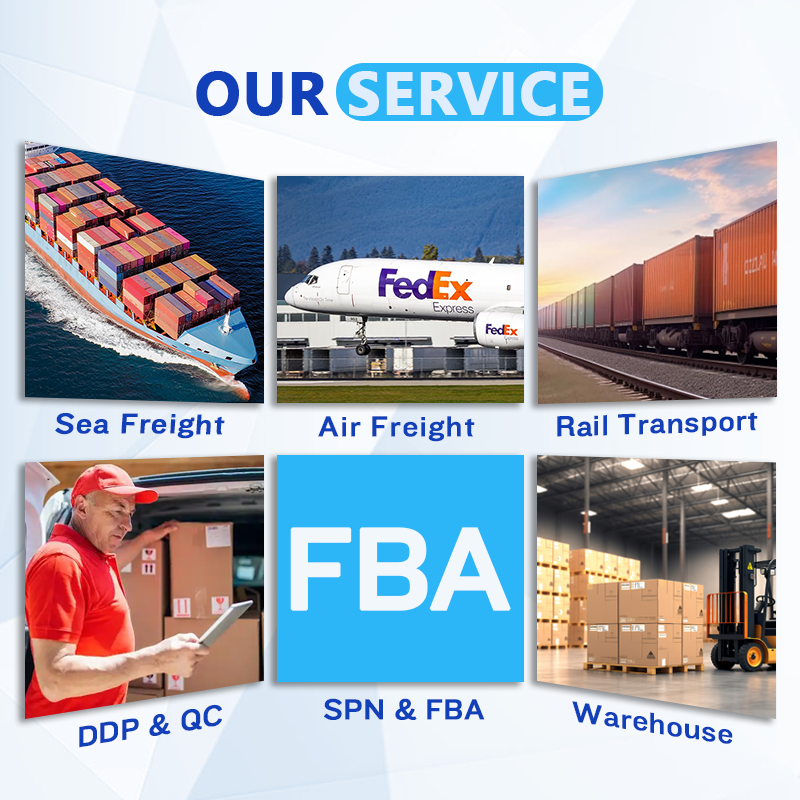
Understanding FBA Air vs. Sea Shipping: Key Differences and Transit Times
Key Differences Between Air and Sea Freight for Amazon FBA Shipments
For FBA sellers, air and sea freight each bring their own benefits to the table. Air shipping usually gets stuff there in around 3 to 10 days, though it comes with a price tag that's anywhere from 5 to 10 times what sea freight would cost. That makes air transport great for those little items that pack a lot of value or need to arrive quickly. On the other hand, sea freight takes longer, somewhere between 25 and 45 days, but saves money on each item shipped. This option works better when dealing with big boxes or inventory that doesn't need immediate delivery. The catch with air freight is it can only handle so much weight before getting expensive, generally under 1,000 kilograms. Sea freight meanwhile lets businesses load up entire containers, which becomes really important when restocking warehouses after major sales events or seasonal rushes.
Average Transit Times from China to U.S. Amazon Warehouses by Mode
Industry data shows air freight from China to U.S. FBA warehouses takes 7–14 days door-to-door, including customs clearance. Sea freight ranges from 25 days (express) to 45 days (standard), with port congestion adding 3–7 days during peak seasons. For example:
| Metric | Air Freight | Sea Freight |
|---|---|---|
| Avg. Transit Time | 7–14 days | 25–45 days |
| Cost per kg | $4.50–$7.00 | $0.80–$1.50 |
| Ideal Volume | <1,000 kg | Full Container |
| Best Use Case | Launching new ASINs | Seasonal replenishment |
External Factors Impacting Timeliness: Weather, Origin Delays, and Peak Seasons
18% of FBA shipping delays stem from weather disruptions, particularly typhoons in the South China Sea (Global Logistics Report 2023). Other critical factors include:
- Origin delays: 12-day average customs holdups during Chinese holidays
- Peak season surcharges: Air rates spike 22% during Q4, while sea freight slots book 8 weeks in advance
- Port strikes: 2022 U.S. West Coast labor disputes added 14–21 days to sea transit times
Proactive sellers monitor maritime weather alerts and maintain 10–15% buffer stock to avoid Amazon sales rank drops during delays.
Evaluating Cost, Speed, and Business Impact in FBA Shipping Decisions
Air vs. Sea Freight: Balancing Speed and Cost for FBA Sellers
FBA inventory arrives at U.S. warehouses via air freight within about 8 to 15 days, though it comes at a steep price tag of around $6.50 to $8.50 per kilogram. That's roughly 4 to 6 times what sea shipping costs, which ranges from $1.20 to $2.80 per kg. There's definitely a balancing act here for sellers. Those dealing with high margin items that sell quickly like electronics or seasonal goods tend to go with air shipping because speed keeps their sales moving. Bulkier stuff that doesn't command premium prices such as home decor or basic clothing makes more sense sent by sea where the lower shipping costs matter more. According to a recent logistics report from 2023, businesses actually see their profit margins jump by about 18 to 22 percent for items weighing less than two pounds when they opt for air freight instead of sea shipping. The reason? Less money spent on warehouse storage and avoiding those frustrating stockout situations.
How Shipping Delays Affect Amazon Sales Rank and Buy Box Eligibility
When products run out of stock, Amazon's algorithm hits sellers hard by pushing them down in search results. Just waiting three days to restock something shipped by sea can slash a seller's Sales Rank by around 40% in really competitive markets. If items stay unavailable for seven days or longer, most sellers lose access to the coveted Buy Box altogether since Amazon favors stores that keep their shelves stocked consistently. Looking at numbers from last holiday season, over half (that's 63%) of sellers relying on ocean freight saw their rankings plummet when customers were shopping heavily, while only about one fifth (22%) faced similar issues when they opted for faster air shipping options instead.
Is Faster Always Better? Analyzing the Value of Speed in FBA Logistics
Air freight definitely helps keep shelves stocked when dealing with products that need to get there fast, but getting too caught up in speed can actually hurt the bottom line for items that don't sell much. Recent research from last year found that businesses were throwing away around $3,800 every month just shipping stuff via plane that barely moves, talking about products that only sell less than 15 times a month. Companies that mix things up have had much better results. Some folks switched to using ocean freight for most of their inventory (about 70%) and kept air transport as backup. This approach cut down on empty shelves by almost 60%, yet shipping expenses stayed below 12% of what they paid for the goods. Looking at various logistics reports from 2024, it becomes clear that matching shipping methods to actual sales trends works wonders for profits compared to always going for the fastest option regardless of need.
Ensuring Delivery Reliability and Consistent Transit Times
Measuring Delivery Reliability: Real-World Performance Data for FBA Shipments
For FBA shipping to work well, businesses need to keep an eye on three main things: how often deliveries arrive within 3 days of expected time, how much inventory gets damaged during transport, and how consistent transit times really are. According to research published by Digital Commerce 360 in 2025, companies that hit or exceed 95% on time delivery rates for their FBA orders see about 40 fewer stockouts than businesses where delivery reliability drops below 85%. Top logistics firms are starting to offer live dashboards that track performance across different routes. Take for instance shipments going from Shenzhen to Los Angeles via sea freight which typically take around 22 days but can vary by as much as 15%. Contrast this with air freight options that generally stick to 7 day transit windows and maintain consistency around 93% of the time according to industry reports.
Case Study: Inventory Shortage Caused by Unreliable Sea Freight Schedules
One electronics vendor ended up missing out on around $180k worth of Amazon sales because their sea freight shipment took way longer than expected. The goods were supposed to make the trip from Guangzhou to Chicago in about 28 days but instead sat at ports for extra time and finally arrived after 47 days total. With all that delay, they had no stock available for nearly three weeks right when demand was highest. Their position on Amazon's Best Seller list tanked too - falling from number 8 down to spot 142 in the Home Electronics category. No wonder then that most big FBA sellers (about two thirds of them) have started playing it safe by getting products through both air and sea transport options these days.
Industry Trend: Growing Demand for Predictable Delivery Windows in FBA Supply Chains
Amazon revamped its Seller Fees in 2024 and started hitting sellers when their deliveries vary more than 10% from what they promised customers. Because of this change, around four out of five FBA suppliers have started using those fancy AI transportation management systems lately. These platforms automatically switch between different carriers depending on current port traffic conditions and past performance records. Most sellers are moving away from vague estimated times of arrival to specific delivery windows these days. For instance, instead of just saying "arriving soon," they might offer a 7 day window instead. This approach actually cut down on rush shipping expenses by about a quarter for businesses that care more about consistent delivery times than getting products there as fast as possible at any cost.
Selecting a Trusted Freight Forwarder for Stable FBA Shipping
How to Find an FBA Freight Forwarder with a Proven Track Record
Prioritize freight forwarders with demonstrated FBA expertise by requesting case studies showing successful deliveries to Amazon fulfillment centers. Leading providers typically maintain:
- 5+ years of specialization in FBA logistics
- Certifications like FIATA or IATA for international shipping compliance
- Partner networks covering critical trade lanes (China-US, EU-UK)
Cross-reference client reviews on neutral platforms to identify forwarders with consistent on-time performance. For example, 68% of sellers in a 2023 logistics survey reported fewer stockouts when using forwarders with Amazon-specific compliance training.
Digital Freight Forwarders: Enhancing Transparency in FBA Logistics
Modern digital platforms enable end-to-end visibility through:
- Real-time container tracking via GPS and IoT sensors
- Automated customs documentation aligned with Amazon’s requirements
- API integrations with Amazon Seller Central for shipment updates
This technical infrastructure reduces paperwork errors by 74% compared to traditional methods (2024 Digital Freight Benchmark Report), while machine learning algorithms predict and mitigate port congestion delays before they impact delivery schedules.
Leveraging Digital Platforms to Monitor and Optimize FBA Shipments
Implement dashboard tools that track critical milestones—from factory pickup to FC receiving. Advanced systems automatically:
- Trigger air freight backups if sea shipments miss cutoff dates
- Adjust inventory orders based on real-time transit progress
- Compare actual vs. quoted transit times per lane
During Q4 2023 peak season, sellers using predictive routing tools maintained 92% in-stock rates despite global port bottlenecks, outperforming competitors relying on manual tracking by 31% (Supply Chain Dive, 2024).
Implementing a Hybrid FBA Shipping Strategy for Optimal Balance
Combining Air and Sea Freight: Building a Stable Hybrid Shipping Model
Combining air and sea freight creates what many call a hybrid FBA shipping strategy that balances quick delivery times with lower costs. Most sellers send around 60 to maybe even 80 percent of their stock via ship when dealing with products that sell consistently in large volumes. The faster planes get reserved for those items that fly off shelves quickly or need to be available during specific seasons. What this does is cut down on how much each item costs to ship compared to sending everything by plane. We're talking savings somewhere between 30 and half the price actually. And best part? Critical stock still gets delivered on time despite these cost cutting measures.
Best Practices for Balancing Cost and Speed Across Shipping Modes
- Categorize products by velocity: Use historical sales data to identify top 20% SKUs contributing to 80% of revenue for air shipping priority
- Align lead times with Amazon's restocking cycles: Schedule sea freight 10–12 weeks before anticipated inventory depletion dates
- Buffer air shipments during Q4: Allocate 25–35% of holiday inventory to air transport to counter port congestion
Case Study: Reducing Stockouts with a 70% Sea + 30% Air Split Strategy
A consumer electronics seller reduced stockouts by 40% in 2023 by implementing blended shipping ratios. Their hybrid model allocated:
| Metric | Sea Freight (70%) | Air Freight (30%) |
|---|---|---|
| Avg. Cost/kg | $2.10 | $6.80 |
| Transit Time | 32 days | 8 days |
| Stockout Risk Window | 14 days | 3 days |
This configuration maintained 97% in-stock rates during peak sales periods while lowering total shipping costs by 22% annually.
Dynamic Shipment Allocation Based on Product Velocity and Seasonality
Advanced FBA sellers now use real-time sales velocity data to automatically adjust shipping ratios. A tools supplier achieved 99% inventory reliability by:
- Increasing air freight allocation to 45% during March–August DIY season
- Triggering emergency air shipments when daily sales exceed 200% of forecast
- Redirecting slow-moving sea shipments to liquidation channels through automated dashboard alerts
FAQ
What are the main differences between air and sea shipping for Amazon FBA?
Air shipping delivers goods faster, usually within 3 to 10 days, but at a higher cost compared to sea freight. Sea freight takes longer, typically 25-45 days, but is more cost-effective, especially for larger shipments.
How do shipping delays affect Amazon Sales Rank?
Shipping delays can significantly impact a seller's Sales Rank on Amazon. Products that are out of stock for several days can lose rank placement, and those unavailable for longer might lose Buy Box eligibility.
What should sellers consider when selecting a freight forwarder?
Sellers should look for freight forwarders with expertise in FBA logistics, certifications for international compliance, and positive reviews for on-time performance and reliability.
How can a hybrid shipping strategy benefit FBA sellers?
A hybrid shipping strategy that combines air and sea freight can reduce costs and ensure timely delivery, balancing speed with economy. It is particularly effective for managing inventory of both fast and slow-selling items.
What role do digital platforms play in FBA logistics?
Digital platforms enhance transparency and efficiency in logistics by providing real-time tracking, automated documentation, and predictive routing tools that help manage shipping schedules and inventory levels effectively.
Table of Contents
- Understanding FBA Air vs. Sea Shipping: Key Differences and Transit Times
- Evaluating Cost, Speed, and Business Impact in FBA Shipping Decisions
- Ensuring Delivery Reliability and Consistent Transit Times
- Selecting a Trusted Freight Forwarder for Stable FBA Shipping
- Implementing a Hybrid FBA Shipping Strategy for Optimal Balance
- FAQ